
Why Certain Verticals Prefer Multi-Step Messaging
Some industries respond better to multi-step outreach instead of single-message campaigns. Learn why vertical-specific buying processes often require layered messaging sequences.
INDUSTRY INSIGHTSLEAD QUALITY & DATA ACCURACYOUTBOUND STRATEGYB2B DATA STRATEGY
CapLeads Team
3/4/20264 min read
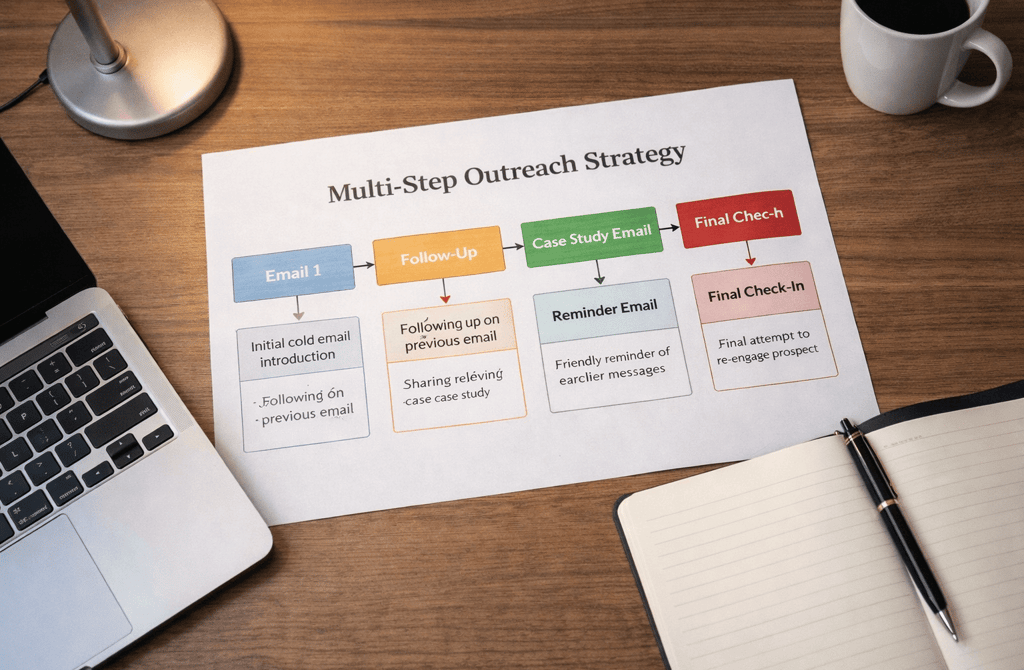
Some outbound campaigns fail not because the message is wrong, but because the timing model behind it is too simple.
A single email assumes that the recipient is ready to process a decision immediately. In reality, many industries operate on slower information cycles. Decision-makers rarely respond after the first contact because their workflow requires multiple stages of evaluation before engagement happens.
This is why certain sectors consistently respond better to structured multi-step messaging instead of one-off outreach.
Industry Workflows Shape Response Patterns
Not all companies process information the same way. In some industries, decision-makers have the autonomy to act quickly. In others, internal review layers slow the path to engagement.
For example, startups and small SaaS firms often respond quickly because leadership teams handle multiple functions and can evaluate new opportunities immediately.
In contrast, sectors like manufacturing, logistics, healthcare, and finance tend to follow more structured decision processes. A message might be read by one person but requires validation from other stakeholders before a response happens.
Multi-step messaging works in these environments because it mirrors the way decisions naturally unfold.
Repetition Builds Context Over Time
In slower-moving industries, the first email rarely triggers action. Instead, it introduces awareness.
Subsequent messages gradually build context. A follow-up might clarify the problem being solved. A later message might share an operational insight or example.
By the time the fourth or fifth touchpoint arrives, the recipient has enough context to understand where the conversation fits within their workflow.
This gradual accumulation of information is why certain verticals respond more consistently to sequenced outreach.
Vertical-Specific Risk Tolerance
Another reason multi-step messaging works better in some sectors is risk sensitivity.
Industries with regulatory pressure or operational complexity often avoid quick decisions. Leaders in these environments prefer to observe a pattern before engaging.
A single email may feel premature. A sequence of thoughtful messages signals persistence and legitimacy without creating pressure.
When outreach stops after one message, the sender disappears before the recipient has had time to evaluate the opportunity properly.
Messaging Cadence Reflects Industry Pace
Different industries operate on different time horizons.
Technology sectors tend to move faster because experimentation and iteration are common. A single email can trigger a reply if the timing aligns with an existing problem.
Operational industries, however, tend to operate on longer cycles. Infrastructure changes, vendor selection, and process adjustments often require weeks or months of internal discussion.
Outbound sequences that stretch across multiple touchpoints align more naturally with these timelines.
This is why outreach cadence should adapt to the vertical being targeted rather than following a fixed messaging template.
When Single-Step Outreach Breaks Down
Campaigns built around a single email assume that every prospect is evaluating the same type of decision.
In reality, industry structure changes how messages are interpreted. A message that feels actionable to a SaaS founder may feel incomplete to an operations leader in a traditional sector.
Multi-step messaging compensates for these differences by allowing the conversation to unfold gradually. Each message adds another layer of explanation, relevance, or credibility.
Instead of forcing a decision too early, the sequence allows prospects to engage when the message aligns with their evaluation process.
Targeting Accuracy Makes Sequences More Effective
Sequences only work when the underlying targeting is precise. If the outreach is aimed at the wrong industry or the wrong function within a company, additional emails simply amplify the mismatch.
This is where reliable segmentation becomes important. Campaigns targeting logistics industry decision-makers often require longer outreach sequences because operational leadership teams evaluate external solutions carefully before responding.
When targeting reflects real industry behavior, multi-step messaging becomes a way to align outreach cadence with how companies actually operate.
What This Means for Outbound Strategy
The number of messages in a sequence should not be decided arbitrarily. It should reflect the pace and complexity of the industries being targeted.
Fast-moving sectors may respond to shorter sequences. Operational industries often require longer messaging arcs before engagement happens.
Understanding these differences allows outbound teams to design campaigns that respect the decision rhythm of each vertical rather than forcing every prospect into the same outreach pattern.
Reliable outbound systems depend on understanding how industries process information and make decisions.
When contact data reflects real organizational structures, outreach sequences match the pace of evaluation. When targeting ignores those structures, even well-written campaigns struggle to gain traction.
Related Post:
The Underestimated Variables Behind Reply Probability
How Data Drift Creates False Confidence in Pipeline Health
Why Incorrect ICP Fit Leads to Dead Pipeline Stages
The Drop-Off Patterns That Reveal Data Quality Problems
How Duplicate CRM Entries Kill Data Reliability
Why CRM Metadata Conflicts Corrupt Segmentation
The Lifecycle Management Mistakes That Block Deals
How Scoring Drift Creates False High-Priority Leads
Why Strong Scoring Depends on Field Completeness
The Multi-Signal Scoring Framework That Actually Works
How Inconsistent Metadata Breaks Your Segmentation Logic
Why Metadata Drift Happens Inside Large Lead Lists
The Contact-Level Clues Buried Inside Metadata Fields
How Company Expansion Alters Contact Accuracy
Why Lifecycle Drift Skews Segmentation Over Time
The Stage-Based Patterns That Predict Reply Probability
How Source Diversity Boosts Lead Accuracy at Scale
Why Multi-Source Data Requires Stricter Deduplication
The Blending Rules That Prevent Data Integrity Loss
How Bad Data Bloats Sending Volume With No Returns
Why SDR Teams Burn Out When Lead Data Is Faulty
The Compounding Waste Caused by Outdated Lead Lists
How Data Drift Disrupts Revenue Decision-Making
Why Revenue Systems Require Continuous Data Validation
The Data Signals That Reveal Structural Revenue Weakness
How Over-Automation Creates Pipeline Noise
Why SDR Judgment Beats Automation in High-Stakes Accounts
The Blind Spots Inside Automation-First Outbound Systems
How System-Level Data Drift Derails Reliable Email Sending
Why Modern Outbound Systems Rely on Data Interconnectivity
The Data Dependencies Most Founders Never See
How Industry Turnover Drives Bounce Rate Differences
Why High-Churn Markets Produce Unstable Email Data
The Bounce Risk Patterns Hidden Inside Each Industry
How Industry-Specific Roles Influence Email Behavior
Connect
Get verified leads that drive real results for your business today.
www.capleads.org
© 2025. All rights reserved.
Serving clients worldwide.
CapLeads provides verified B2B datasets with accurate contacts and direct phone numbers. Our data helps startups and sales teams reach C-level executives in FinTech, SaaS, Consulting, and other industries.