
Why Email Fails First When Data Quality Declines
Email is the first outbound channel to break when B2B data quality slips. Learn why email exposes declining lead quality before phone or LinkedIn.
INDUSTRY INSIGHTSLEAD QUALITY & DATA ACCURACYOUTBOUND STRATEGYB2B DATA STRATEGY
CapLeads Team
12/17/20253 min read
Email is almost always the first outbound channel to break when data quality starts slipping. Not LinkedIn. Not phone. Email.
That’s not because email is weaker as a channel. It’s because email is less forgiving of bad inputs. The moment data accuracy drops, email systems surface the problem immediately — often before teams realize anything is wrong.
This is why many founders think their copy stopped working, their domains are “burned,” or their sequences need rewriting, when the real issue is simpler and more dangerous: the data underneath has degraded.
1. Email Has the Strictest Technical Gatekeepers
Email is governed by automated systems that evaluate sender behavior, recipient quality, and historical engagement in real time. Inbox providers don’t wait for humans to complain. They react instantly to signals like bounces, invalid addresses, and low engagement density.
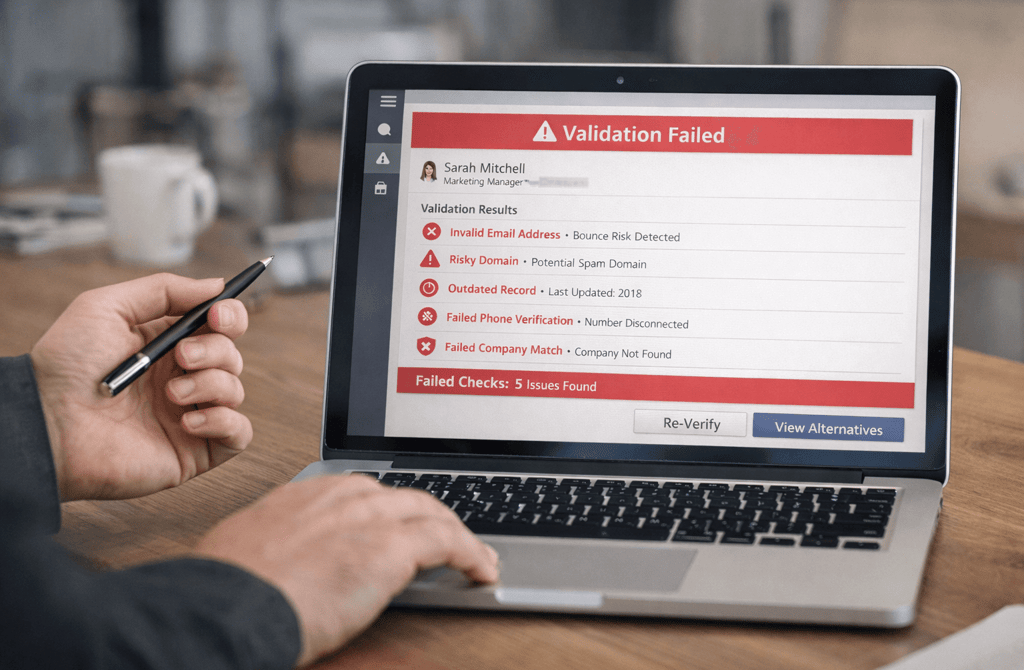
When your lead data starts aging, even slightly, email infrastructure feels it first. Invalid emails bounce. Risky domains trigger suppression. Outdated contacts don’t engage. These signals accumulate quickly and push your messages out of the inbox long before other channels show obvious failure.
LinkedIn can tolerate stale titles. Phone can tolerate wrong extensions. Email cannot tolerate invalid recipients at scale.
2. Data Decay Shows Up Faster in Email Than Anywhere Else
Contact data doesn’t decay evenly. Email addresses are often the most fragile field in a lead record. Role changes, domain migrations, layoffs, and company restructuring all impact email validity faster than they affect public profiles or phone routing.
As data quality declines, email doesn’t fail gradually. It fails asymmetrically. A small percentage of bad records can create a disproportionate impact on deliverability, making the entire channel feel unreliable.
This is why teams see sudden drops in open rates or inbox placement even when they haven’t changed copy, cadence, or volume. The decay happened quietly upstream.
3. Email Exposes Data Problems Before Copy Ever Does
When email performance drops, most teams react at the message level. They rewrite subject lines. They adjust personalization. They A/B test frameworks.
But email is rarely the first variable to fail. It’s the first indicator that something deeper is broken.
Poor data quality introduces mismatches everywhere:
Wrong roles receive irrelevant messages
Outdated contacts no longer recognize the problem
Invalid addresses trigger bounce clusters
Risky domains poison sender reputation
Email surfaces these failures immediately because inbox providers measure outcomes, not intent.
4. Other Channels Mask the Same Data Issues
LinkedIn outreach often continues “working” even as email collapses. That’s because LinkedIn’s system is more tolerant of inaccurate fields. A slightly wrong title or outdated role doesn’t prevent a message from being delivered.
Phone outreach can also mask data problems. Calls might route to reception, voicemail, or departments even when contact-level accuracy is poor. The failure is slower and harder to diagnose.
Email doesn’t mask anything. It fails fast — which is exactly why it’s such a powerful diagnostic channel.
5. Email Failure Is a Data Problem Before It’s a Channel Problem
When email fails first, it’s not telling you to abandon email. It’s telling you your lead data no longer meets the minimum quality threshold required for scalable outbound.
This is where many outbound systems collapse. Teams keep pushing volume through declining data, hoping the channel will recover. Instead, deliverability worsens, domains degrade, and recovery becomes harder.
The fix isn’t better copy. It’s restoring data integrity.
That means revalidating emails, refreshing stale records, tightening industry and role filters, and ensuring every lead is fit for email before it ever enters a sequence. This is why teams that invest in verified, industry-specific B2B leads experience more stable email performance — not because email changed, but because the inputs did.
Email is not fragile. It’s honest.
It fails first because it’s the first channel to tell you the truth.
Final Thought
Email doesn’t punish teams randomly. It reacts to the quality of the data it’s given. When lead accuracy slips, email is simply the earliest system to expose the damage.
Outbound becomes predictable when contact data is current, validated, and role-accurate. When data quality declines, email performance collapses long before teams realize why — and that early failure is the warning most founders ignore.
Related Posts
Why Multi-Signal Data Outperforms Basic Email Lists
The Micro-Data Points That Predict Reply Probability
Why Data Completeness Makes Outbound Easier to Scale
How Company Lifecycle Stage Impacts Deliverability
The Common Data Gaps That Break Founder-Led Outreach
The Hidden Indicators That Tell You a Lead Is Worth Emailing
Why Mapping the Buying Committee Boosts Reply Rates
Why AI Needs Clean Inputs to Improve Lead Accuracy
The Hidden AI Errors Caused by Dirty Data
How AI Enhances Lead Processing Without Replacing Humans
Why AI Models Break When Metadata Is Incomplete
Why Each Industry Produces Completely Different Lead Data
The Vertical Data Behaviors Most Outbound Teams Miss
How B2B Data Signals Change Depending on the Industry
Why Industry Structure Shapes Lead Accuracy Patterns
The Vertical Differences That Influence Data Freshness
Why Lead Data Behaves Differently Across Outbound Channels
The Contact Signals That Matter in Email But Not on LinkedIn
How Phone Outreach Requires Completely Different Data Accuracy
Connect
Get verified leads that drive real results for your business today.
www.capleads.org
© 2025. All rights reserved.
Serving clients worldwide.
CapLeads provides verified B2B datasets with accurate contacts and direct phone numbers. Our data helps startups and sales teams reach C-level executives in FinTech, SaaS, Consulting, and other industries.