
Why Lead Data Behaves Differently Across Outbound Channels
Outbound performance changes depending on whether you’re emailing, calling, or using LinkedIn. Learn why lead data behaves differently across channels and how each one requires its own data standards.
INDUSTRY INSIGHTSLEAD QUALITY & DATA ACCURACYOUTBOUND STRATEGYB2B DATA STRATEGY
CapLeads Team
12/17/20253 min read
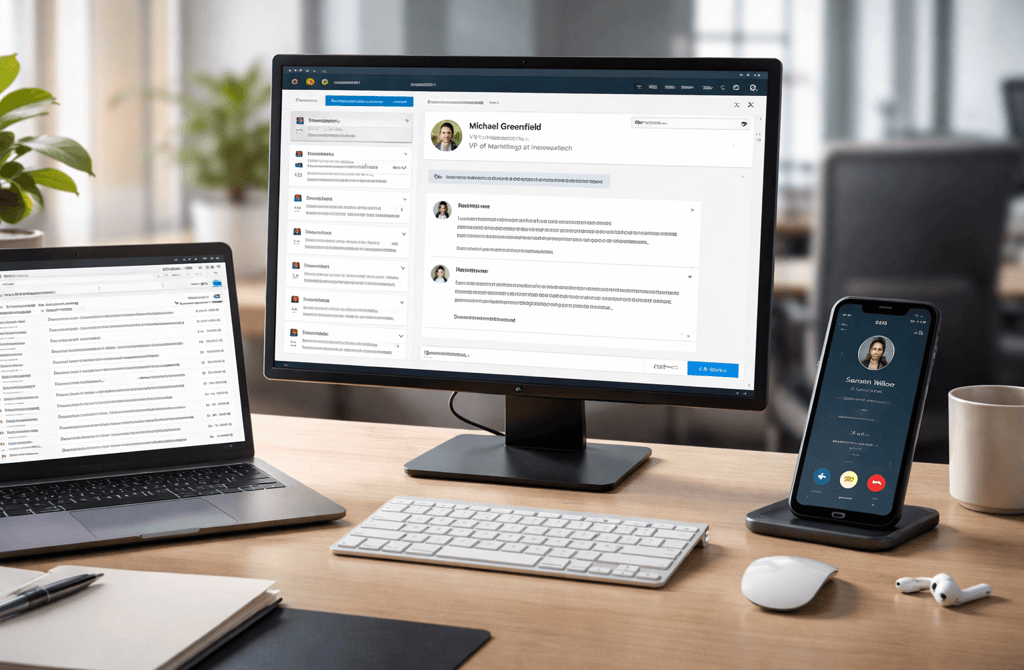
Most outbound teams assume that once they have “good leads,” they can use them anywhere. Email, LinkedIn, phone — same list, different channel, same outcome.
That assumption quietly breaks performance.
Lead data does not behave the same way across outbound channels. Each channel interprets accuracy, freshness, completeness, and risk differently. When teams reuse data without adjusting for channel-specific behavior, they misread results and diagnose the wrong problems.
What looks like a copy issue, timing issue, or channel decline is often a data–channel mismatch.
1. Channels Don’t Just Deliver Messages — They Judge Data Differently
Every outbound channel has its own internal filters, tolerance levels, and risk signals.
Email evaluates data through:
Bounce behavior
Domain reputation signals
Engagement history at the address level
LinkedIn evaluates data through:
Profile accuracy
Role alignment and seniority
Network proximity and account credibility
Phone evaluates data through:
Number validity
Geographic accuracy
Role stability and organizational context
The same contact can be “safe” in one channel and unusable in another. That doesn’t mean the lead is bad. It means the data’s reliability expresses itself differently depending on how it’s used.
2. Why Email Is the Strictest Channel
Email is unforgiving.
A single wrong field — outdated domain, abandoned inbox, role-based address — produces an immediate negative signal. Bounces, spam flags, or low engagement don’t just affect one message; they compound at the domain level.
Email providers don’t care why the data failed. They only see outcomes.
This is why email requires:
Recency discipline
Conservative reuse cycles
A list that “mostly works” on LinkedIn can quietly destroy email performance if reused without revalidation.
3. Why LinkedIn Tolerates Older Data (Until It Doesn’t)
LinkedIn behaves differently because it’s identity-based, not inbox-based.
A profile can remain visible and interactive long after an email address becomes invalid. Titles, connections, and job histories persist even when the person has changed internal responsibilities or buying power.
This creates a false sense of data health.
LinkedIn outreach often looks successful early because:
Messages don’t bounce
Profiles still exist
Engagement feels visible
But misalignment shows up later as:
Low-quality replies
Non-buyers responding
Conversations that stall
LinkedIn tolerates older contact data, but it still punishes role inaccuracy and ICP drift.
4. Why Phone Data Decays Differently Than Email and LinkedIn
Phone outreach exposes a different failure mode entirely.
Phone numbers age faster in some industries, regions, and roles. People keep LinkedIn profiles and email forwarding rules long after changing jobs, but phone numbers are often reassigned, abandoned, or redirected.
Phone outreach is highly sensitive to:
Geographic accuracy
Company size changes
Role mobility
A number that was valid six months ago can now route to:
A shared line
A different department
A former employee’s replacement
This is why phone data requires continuous role verification, not just number validation.
5. Cross-Channel Reuse Is Where Most Teams Lose Control
The biggest outbound mistake isn’t choosing the wrong channel.
It’s assuming that data validated for one channel is automatically safe for another.
Common failure patterns include:
Email-validated lists reused for phone without role checks
LinkedIn-sourced contacts emailed without domain-level verification
Phone-enriched contacts used for email without inbox validation
Each reuse introduces silent risk.
The more channels you layer on top of the same data without adjusting standards, the faster performance collapses — and the harder it becomes to trace the cause.
6. Channel-Aware Data Is a Competitive Advantage
High-performing outbound teams don’t ask, “Is this lead good?”
They ask:
Is this lead good for email right now?
Is it accurate enough for LinkedIn targeting?
Is it stable enough for phone outreach this month?
That shift changes everything.
Instead of chasing channel tactics, they build channel-specific data readiness, where each outbound motion starts with different validation rules, recency thresholds, and risk tolerance.
That’s why some teams scale across channels while others burn lists and domains trying.
Final Thought
Outbound channels don’t fail randomly. They react predictably to the data they’re fed. When performance drops, the fastest way forward isn’t switching channels — it’s understanding how each channel interprets lead quality differently.
When your data aligns with each channel’s tolerance, outbound becomes repeatable instead of fragile.
When it doesn’t, even strong messaging gets filtered out before it reaches a real buyer.
Related Posts
Why Multi-Signal Data Outperforms Basic Email Lists
The Micro-Data Points That Predict Reply Probability
Why Data Completeness Makes Outbound Easier to Scale
How Company Lifecycle Stage Impacts Deliverability
The Common Data Gaps That Break Founder-Led Outreach
The Hidden Indicators That Tell You a Lead Is Worth Emailing
Why Mapping the Buying Committee Boosts Reply Rates
Why AI Needs Clean Inputs to Improve Lead Accuracy
The Hidden AI Errors Caused by Dirty Data
How AI Enhances Lead Processing Without Replacing Humans
Why AI Models Break When Metadata Is Incomplete
Why Each Industry Produces Completely Different Lead Data
The Vertical Data Behaviors Most Outbound Teams Miss
How B2B Data Signals Change Depending on the Industry
Why Industry Structure Shapes Lead Accuracy Patterns
The Vertical Differences That Influence Data Freshness
Connect
Get verified leads that drive real results for your business today.
www.capleads.org
© 2025. All rights reserved.
Serving clients worldwide.
CapLeads provides verified B2B datasets with accurate contacts and direct phone numbers. Our data helps startups and sales teams reach C-level executives in FinTech, SaaS, Consulting, and other industries.