
Why Geo Inaccuracies Lower Your Reply Rate
Geographic data errors quietly reduce reply rates by breaking relevance, timing, and trust. Learn how geo inaccuracies derail outbound before messaging even matters.
INDUSTRY INSIGHTSLEAD QUALITY & DATA ACCURACYOUTBOUND STRATEGYB2B DATA STRATEGY
CapLeads Team
2/6/20263 min read
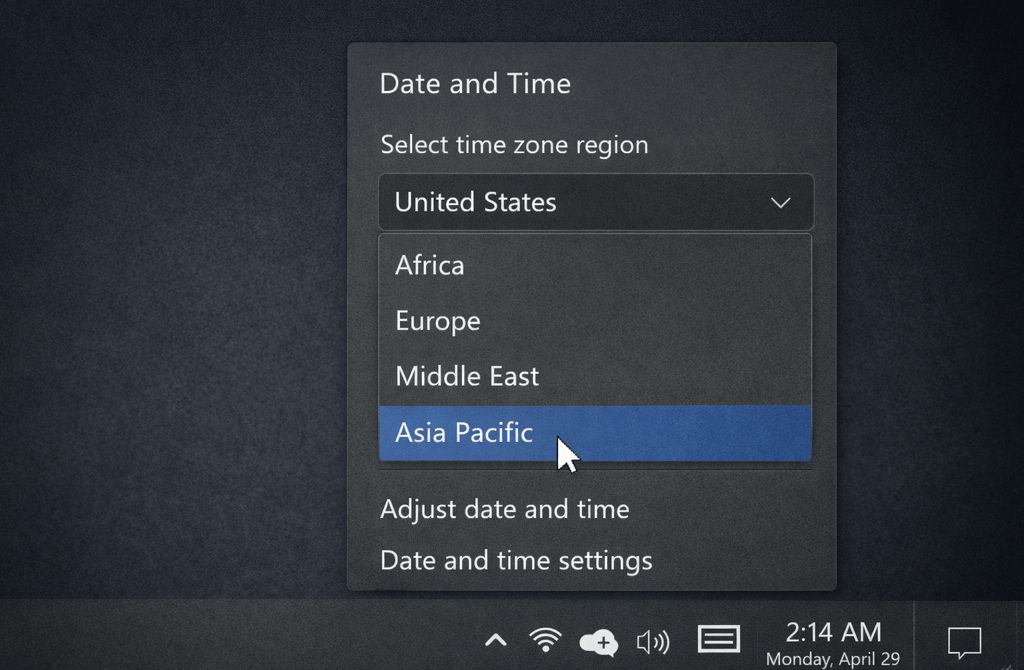
Most outbound failures don’t happen inside the email body. They happen before the message is even read.
When geographic data is wrong, outreach arrives at the wrong moment, under the wrong assumptions, and with subtle signals that tell the recipient: this wasn’t meant for me. The result isn’t an angry reply or a clear rejection. It’s silence.
Geo inaccuracies don’t just reduce relevance — they quietly break the conditions required for a reply.
Reply Rates Depend on Context, Not Curiosity
Replies are context-driven. A prospect responds when the message lands during a moment that feels appropriate, familiar, and low-effort to engage with.
Geography controls that context.
Location determines:
Local time and working hours
Regional norms for formality and urgency
Seasonal cycles and business cadence
Cultural expectations around response speed
When geo data is wrong, the message may still be readable — but the context feels off. That mismatch alone is often enough to suppress replies.
The Timing Penalty No One Sees
One of the most common effects of geo inaccuracies is mistimed delivery.
Emails sent at 2:00 AM local time don’t feel neutral. They feel automated, careless, or misrouted. Even if the prospect later sees the message during business hours, the timestamp has already done damage.
It subtly signals:
The sender doesn’t know where I am
This message wasn’t scheduled with intent
I’m part of a batch, not a target
That signal lowers the psychological priority of replying. The email becomes background noise instead of a prompt for action.
Why “Good Messaging” Can’t Fix Geo Errors
Teams often try to compensate for low reply rates by adjusting copy. They tweak subject lines, shorten messages, or add personalization tokens.
None of that fixes a geo mismatch.
When location data is wrong:
References to regions feel generic or inaccurate
Local relevance cues fail
Follow-up timing compounds the mistake
The outreach doesn’t feel offensive — it feels irrelevant. And irrelevance is harder to diagnose than rejection.
Geo Errors Break Trust Before Engagement
Trust in outbound isn’t built through persuasion. It’s built through correctness.
When a prospect sees small inconsistencies — wrong region assumptions, off-hours sends, mismatched context — they subconsciously downgrade the credibility of the sender.
That downgrade doesn’t result in a complaint. It results in non-response.
From the recipient’s perspective, replying would require extra effort to correct the sender or clarify assumptions. Most people simply don’t bother.
Why Geo Data Fails Quietly
Geographic inaccuracies persist because they rarely cause obvious errors.
An email still sends. A sequence still runs. Open rates may look fine. Nothing breaks visibly.
But replies depend on alignment, not delivery.
A list that’s 90% correct geographically can still underperform significantly because the remaining 10% introduces timing noise, cultural mismatch, and trust friction — all of which drag down overall reply behavior.
Geo Accuracy Is a Timing Problem Disguised as Targeting
Location isn’t just about where someone is. It’s about when and how they experience your message.
Wrong geo data means:
Follow-ups land at inconvenient times
Sequences feel automated rather than intentional
Outreach competes with sleep, meetings, or off-hours
Reply rates suffer not because the offer is wrong, but because the moment is wrong.
Bottom Line
Geo inaccuracies don’t make outbound fail loudly. They make it feel slightly off — and that’s enough to kill replies.
When location data is accurate, outreach aligns naturally with timing, context, and expectation.
When geo data is wrong, even well-written messages arrive as background noise instead of conversations.
Related Post:
How Bounce Risk Changes Based on Lead Source Quality
The Drift Timeline That Shows When Lead Lists Lose Accuracy
How Decay Turns High-Quality Leads Into Wasted Volume
Why Job-Role Drift Makes Personalization Completely Wrong
The ICP Errors Caused by Data That Aged in the Background
How Lead Aging Creates False Confidence in Your Pipeline
The Data Gaps That Cause Personalization to Miss the Mark
How Missing Titles and Departments Distort Your ICP Fit
Why Incomplete Firmographic Data Leads to Wrong-Account Targeting
The Enrichment Signals That Predict Stronger Reply Rates
How Better Data Completeness Improves Email Relevance
The Subtle Signals Automation Fails to Interpret
Why Human Oversight Is Essential for Accurate B2B Data
How Automated Tools Miss High-Risk Email Patterns
The Quality Gap Between Algorithmic and Human Validation
Why Human Validators Still Outperform AI for Lead Safety
The Duplicate Detection Rules Every Founder Should Use
How Spam-Trap Hits Destroy Domain Reputation Instantly
Why High-Risk Emails Slip Through Cheap Validation Tools
The Real Reason Duplicate Leads Hurt Personalization Accuracy
How Risky Email Patterns Reveal Broken Data Providers
How Industry Structure Influences Email Risk Levels
Why Certain Sectors Experience Faster Data Decay Cycles
The Hidden Validation Gaps Inside Niche Industry Lists
How Industry Turnover Impacts Lead Freshness
Why Validation Complexity Increases in Specialized Markets
How Revenue Misclassification Creates Fake ICP Matches
Connect
Get verified leads that drive real results for your business today.
www.capleads.org
© 2025. All rights reserved.
Serving clients worldwide.
CapLeads provides verified B2B datasets with accurate contacts and direct phone numbers. Our data helps startups and sales teams reach C-level executives in FinTech, SaaS, Consulting, and other industries.