No Reply Yet? Follow-Up Messages That Restart Conversations on LinkedIn
Still no reply on LinkedIn? Use follow-up messages that restart conversations without sounding pushy. Real examples and proven approaches that get responses.
INDUSTRY INSIGHTSLEAD QUALITY & DATA ACCURACYOUTBOUND STRATEGYB2B DATA STRATEGY
CapLeads Team
3/27/20263 min read
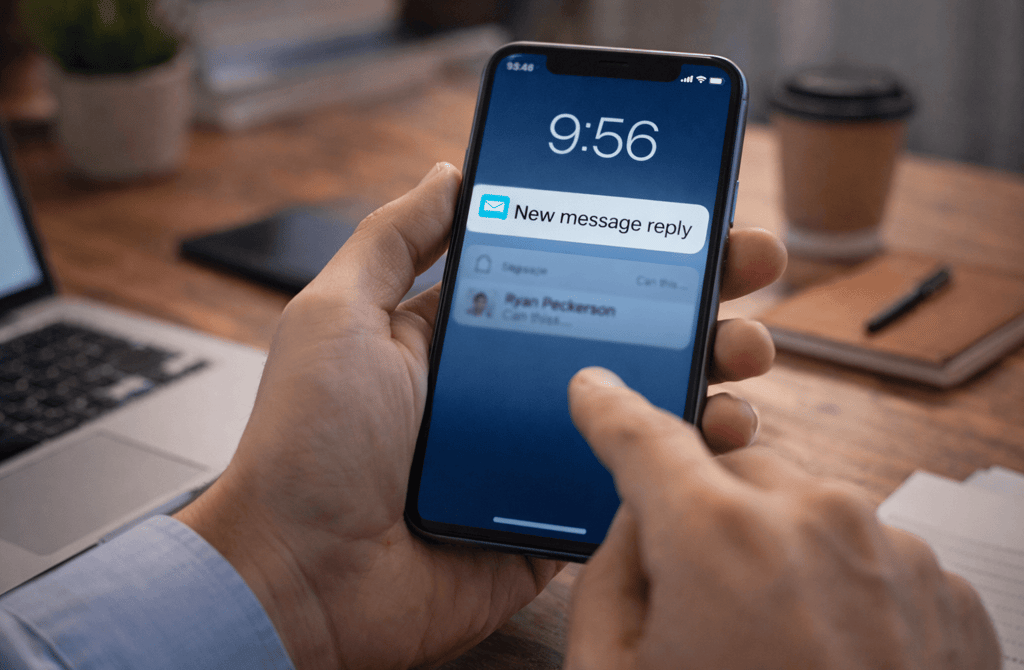
Silence on LinkedIn doesn’t always mean rejection.
More often, it means your message landed at the wrong moment.
People read messages between meetings, while scrolling, or when they’re distracted. Even if your first message was relevant, it can easily get buried before they have time to respond.
The mistake most people make is assuming no reply equals no interest.
So they either:
send a pushy follow-up
or don’t follow up at all
Both kill the conversation.
Why Follow-Ups Actually Work
A follow-up isn’t about reminding someone you exist.
It’s about re-entering the conversation with better timing and clearer context.
When done right, follow-ups work because:
the context becomes clearer on second read
the pressure is lower than the first contact
This is why some conversations only start on the second or even third message.
The Biggest Follow-Up Mistake
Most follow-ups fail because they repeat the same energy as the first message.
You’ll see things like:
“Just following up on my previous message.”
“Wanted to bump this in your inbox.”
These don’t add anything new.
They rely entirely on the first message being strong enough—which, if it didn’t get a reply, probably wasn’t.
A good follow-up doesn’t just remind.
It reframes.
Follow-Up Messages That Restart Conversations
These aren’t templates to copy. They’re patterns that shift the conversation enough to get a response.
Example 1: The Reset
“Not sure if this is relevant anymore, but wanted to ask—are you still working on improving your outbound process this quarter?”
Why this works:
acknowledges timing might have passed
removes pressure
gives a clean entry point
Example 2: Add Context
“Quick follow-up—been seeing more teams run into deliverability issues once volume increases.
Curious if that’s something you’ve experienced recently?”
Why this works:
introduces new information
makes the message feel fresh
shifts from reminder to insight
Example 3: Short and Direct
“Did this land at a bad time?”
Why this works:
extremely low friction
easy to answer
feels human, not scripted
Example 4: Change the Angle
“Out of curiosity, are you handling lead validation internally or working with external sources?”
Why this works:
avoids repeating the first message
introduces a new dimension
opens a different conversation path
Example 5: Give an Easy Exit
“If this isn’t relevant, no worries at all—just wanted to check before I close the loop.”
Why this works:
removes pressure
increases likelihood of response
makes ignoring feel less comfortable than replying
Timing Matters More Than Wording
One of the most overlooked factors in follow-ups is timing.
Too early:
feels aggressive
Too late:
loses context
The goal isn’t a perfect schedule.
It’s catching a better moment.
A follow-up works because it gives your message a second chance to be seen when the person is actually available to respond.
Why Targeting Still Affects Follow-Ups
If your first message didn’t get a reply, it’s not always a messaging issue.
Sometimes:
wrong role
wrong priority
wrong timing
Follow-ups can recover timing.
They can’t fix bad targeting.
This becomes even more obvious in sectors like Cyber Security, where priorities shift quickly and roles are highly specific. A message that isn’t aligned with the right responsibility won’t get traction—no matter how many follow-ups you send.
The Difference Between Persistence and Pressure
There’s a fine line between staying visible and becoming noise.
Good follow-ups:
feel like a continuation
add something new
respect the other person’s time
Bad follow-ups:
repeat
pressure
assume interest
The goal isn’t to force a reply.
It’s to make replying feel easy.
What This Means
Follow-ups aren’t second attempts. They’re new opportunities.
When you shift the angle, timing, or context, conversations that looked dead can restart naturally.
Strong targeting gives your message a reason to matter. Poor alignment turns follow-ups into reminders of something irrelevant.
Related Post:
How Manual Review Prevents Domain Reputation Damage
The Validation Conflicts You Only Notice With Human Eyes
Why Automated Systems Misjudge Role-Based Emails
Why Sending to Spam Traps is Worse Than Hard Bounces
The Duplicate Clusters That Break Your Segmentation Flow
How Compromised Emails Drag Your Deliverability Down
The Vertical-Specific Risks Cheap Providers Ignore
How Industry Growth Rates Alter Lead Accuracy
Why Some Industries Generate More Role-Based Emails
The Hidden Errors Found in Multi-Site Organizations
How Company Data Drift Skews Account Prioritization
Why Revenue Accuracy Determines High-Intent Segments
How Role-Based Targeting Improves Deliverability
Why Department-Level Accuracy Is Non-Negotiable
The Title Signals That Reveal True Decision-Makers
How Bad Routing Logic Causes Deliverability Decline
Why Warming a Domain Isn’t Enough Without Proper Architecture
The Structural Email Errors Hidden in Most Outbound Systems
How Spam Filters Detect Risky Lead Quality Automatically
Why Low-Intent Lists Train Inbox Providers Against You
The Invisible Engagement Thresholds Behind Primary Placement
How ESPs Score the Long-Term Health of Your Domain
Why Reputation Damage Compounds Faster Than You Can Recover
The Risk Indicators That Reveal Whether Your Domain Is “Safe”
Which B2B Lead Generation Ideas Actually Deliver Results Today
How Companies Approach B2B Lead Generation
How B2B Teams Compare Lead Generation Channels in Practice
B2B sales process steps explained a simple, practical breakdown
B2B Sales Process Flowchart Example: From Lead to Close
Understanding B2B Sales Pipeline Stages: How Deals Actually Move
Cold Calling Script Example That Actually Works in B2B Sales
Cold calling opening lines that work
How to Keep Prospects Interested During a Cold Call
Outreach Messages That Actually Get Replies on LinkedIn
Connect
Get verified leads that drive real results for your business today.
www.capleads.org
© 2025. All rights reserved.
Serving clients worldwide.
CapLeads provides verified B2B datasets with accurate contacts and direct phone numbers. Our data helps startups and sales teams reach C-level executives in FinTech, SaaS, Consulting, and other industries.