
Why Role-Based Targeting Beats Mass Prospecting
Role-based targeting outperforms mass prospecting because relevance drives replies. Learn why focusing on the right roles lifts deliverability, response rates, and conversions.
INDUSTRY INSIGHTSLEAD QUALITY & DATA ACCURACYOUTBOUND STRATEGYB2B DATA STRATEGY
CapLeads Team
12/11/20253 min read
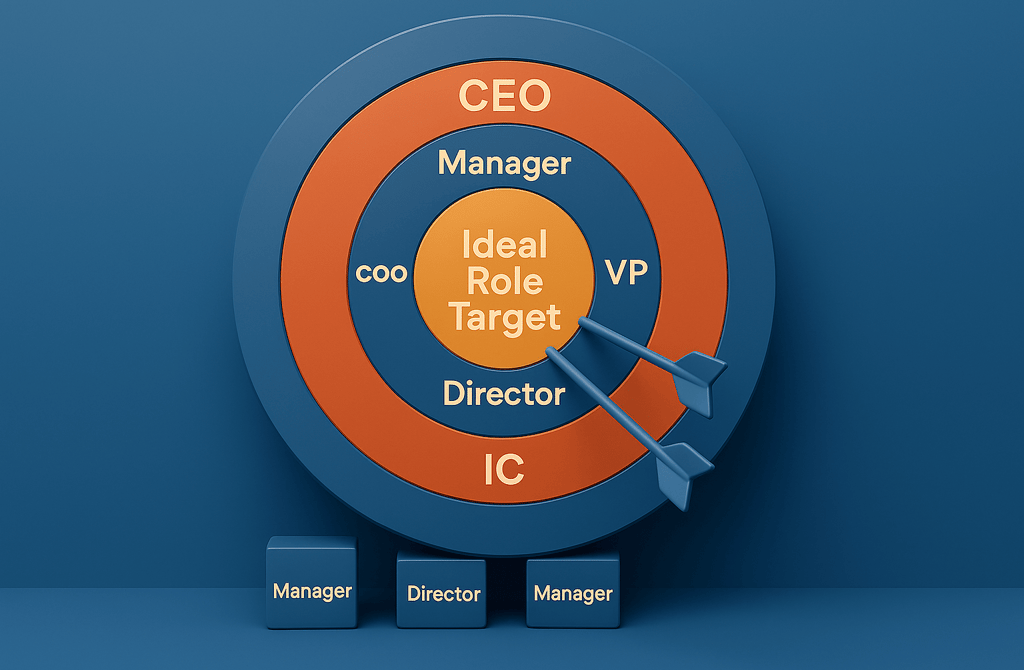
Most outbound failures come from one simple mistake:
sending to everyone instead of the right someone.
Mass prospecting feels productive — huge lists, massive sends, lots of activity.
But activity is not progress.
And volume is not accuracy.
What actually moves pipeline is role precision — understanding who inside a company owns the pain, controls the process, or signs the check.
Here’s why role-based targeting destroys mass prospecting every single time.
1. Mass Prospecting Dilutes Your Message
When you send to every role:
frontline reps
mid-level managers
leaders
wrong departments
uninterested stakeholders
…your messaging gets pulled in multiple directions.
You are trying to speak to everyone, so you effectively speak to no one.
Role-based targeting fixes this by giving you one job:
Match the message to the role → Increase relevance → Increase replies.
Relevance is the algorithm of human response.
2. Wrong Roles Don’t Feel the Pain — So They Don’t Reply
Even if your offer is perfect, sending it to the wrong person guarantees silence.
Pain owners reply.
Non-owners ignore.
For example:
HR doesn’t care about Sales tools
Sales doesn’t care about Finance automation
Marketing doesn’t care about DevOps platforms
Product teams don’t care about HR compliance
Outbound works when you speak directly to the person whose KPIs break when the problem exists.
Roles are not equal.
Pain is not distributed evenly.
Replies come from the people with something to lose.
3. Role-Based Targeting Increases Reply Probability Per Send
A list of 1,000 “anyone” contacts rarely outperforms a list of 150–200 precise roles.
Because:
correct roles open more
correct roles click more
correct roles respond more
correct roles move faster through buying cycles
Precision compounds.
Mass prospecting wastes volume.
Role targeting multiplies it.
4. It Protects Your Domain Reputation
Mass prospecting causes:
more deletes
more low engagement
more spam flags
more cold sends to irrelevant roles
This tells mailbox providers:
“This sender is low quality.”
Role precision does the opposite:
higher open rates
stronger engagement
fewer complaints
predictable deliverability
Deliverability is not a sending problem — it’s a targeting problem.
5. Different Roles Require Different Messaging Logic
A CEO wants outcomes.
A Director wants efficiency.
A Manager wants execution.
An IC wants clarity and ease.
Role-based targeting allows you to tailor:
pain language
KPI alignment
urgency framing
solution justification
risk vs reward
When you try to send a CEO-level message to a Manager, it fails.
When you send an IC-level message to a VP, it fails.
Fit the message to the role → Conversion rises.
6. Role Targeting Scales Better Than Mass Prospecting
Mass prospecting collapses as you grow:
too many bad sends
data decay accelerates
domain reputation degrades
messaging loses fit
Role targeting scales cleanly:
smaller batches
higher accuracy
lower decay exposure
better domain protection
more repeatable wins
The best outbound machines in the world don’t send more.
They send better.
Final Thought
Mass prospecting gives you volume.
Role targeting gives you precision — and precision wins in outbound.
Clean role data makes your outreach predictable.
Wrong roles make every campaign fail before it begins.
Related Post
Why Good Copy Fails When the Lead Data Isn't Prepared
The Data Filters Your Emails Pass Through Before Reaching Inboxes
Why Data Cleaning Should Happen Before Warming Up Domains
How Lead Quality Shapes Your Open Rate More Than Subject Lines
What Inbox Providers Infer About Your Lead List
Why Reply Rates Improve When Your Data Is Pre-Qualified
The Hidden Data Rules Behind Modern Spam Filters
Why Cold Email Isn't Working (And Why Data Is Usually the Reason)
How Data Enrichment Changes Your Cold Email Targeting
Why Bounce Rate Drops When You Source Better Data
The Data Layer Founders Forget When Running Outreach
Why Email Volume Doesn't Fix Data Problems
How Data Scoring Boosts Deliverability
Why Domain Reputation Depends on Your Lead Data Quality
The Data-Driven Way to Increase Cold Email ROI
Why Your Inbox Placement Is Linked to Lead Validation
How Data Recency Improves Reply Intent
Why Clean Lists Outperform Personalization Tricks
Why Lead Segmentation Matters More Than List Size
The Real Science Behind Targeting the Right Decision-Maker
Why Role-Based Targeting Beats Mass Prospecting
Connect
Get verified leads that drive real results for your business today.
www.capleads.org
© 2025. All rights reserved.
Serving clients worldwide.
CapLeads provides verified B2B datasets with accurate contacts and direct phone numbers. Our data helps startups and sales teams reach C-level executives in FinTech, SaaS, Consulting, and other industries.