
The Role Drift That Makes Outreach Hit the Wrong Person
Role drift causes outreach to land on the wrong person, even when the company is right. Learn how shifting responsibilities quietly break targeting.
INDUSTRY INSIGHTSLEAD QUALITY & DATA ACCURACYOUTBOUND STRATEGYB2B DATA STRATEGY
CapLeads Team
12/30/20253 min read
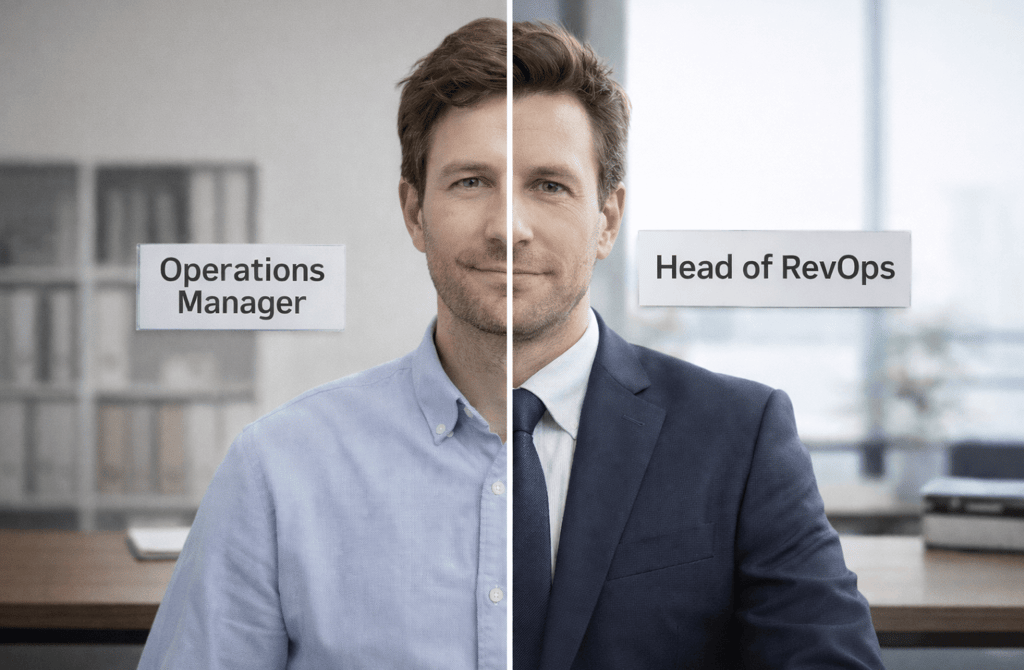

Most outbound teams think they’re missing replies because they’re targeting the wrong companies. In reality, many campaigns fail even when the company is right — because the person inside that company changed roles, but the data didn’t.
This is role drift.
And it’s one of the hardest targeting problems to detect.
Role Drift Isn’t a Data Error — It’s a Time Error
Role drift doesn’t happen overnight. It happens quietly as companies grow.
People take on more responsibility. Titles stay the same. Departments blur. A founder who once handled operations now owns revenue. A manager becomes the de-facto decision-maker without a formal promotion.
From the outside, nothing looks wrong.
From the inside, authority has shifted completely.
Outbound systems don’t see that shift unless data is refreshed with intent.
Why Role Drift Feels Like “Random” Underperformance
Role drift creates inconsistency that teams struggle to explain.
Some emails:
get thoughtful replies
move quickly to calls
Others — sent to similar companies with similar copy — disappear.
The difference isn’t the message.
It’s whether the recipient’s current responsibility matches what the outreach assumes.
When role drift is present:
others are underqualified
many are simply misaligned
This creates performance that feels unpredictable, even when the strategy is sound.
Role Drift Breaks Assumptions About Authority
Outbound messaging is built on assumptions:
who owns the problem
who controls budget
who can say yes
Role drift quietly invalidates those assumptions.
A contact might still carry a “Manager” title but now acts like a Director. Another might still be labeled “Founder” but no longer touches day-to-day decisions.
Outreach lands with expectations that no longer fit reality — and recipients disengage without explanation.
Why Role Drift Is Worse Than Inaccurate Titles
Incorrect titles are obvious when discovered. Role drift isn’t.
The title looks reasonable.
The company looks right.
The ICP filters pass.
But the meaning of the role has changed.
This is why teams often double down on copy tweaks instead of questioning targeting. Everything looks correct on paper, so the failure is blamed downstream.
Role Drift Accumulates as Companies Mature
The more established a company becomes, the more role drift you’ll see.
Growth introduces:
layered responsibility
hybrid roles
founders stepping back or re-engaging
Data that was accurate at one stage of a company’s lifecycle becomes misleading at another.
Outbound lists don’t age evenly — they drift with the organizations they describe.
Role Drift Turns Relevance Into Noise
When outreach assumes outdated responsibility:
the message feels off
urgency doesn’t land
the CTA feels misplaced
The email isn’t rejected.
It’s deprioritized.
This is why role drift is so dangerous — it creates silence, not pushback. There’s no feedback loop to correct it.
Detecting Role Drift Requires Pattern Awareness
Role drift rarely shows up in single conversations. It shows up in patterns:
replies coming from unexpected titles
referrals upward instead of direct engagement
Teams that don’t recognize role drift misinterpret these signals as market inconsistency instead of data aging.
Role Drift Is a Precision Problem, Not a Volume Problem
You can’t fix role drift by sending more emails.
More volume just increases the number of messages hitting outdated assumptions. Precision — not scale — is what restores alignment.
When responsibility shifts, targeting needs to shift with it.
Final Thought
Role drift is what happens when organizations evolve faster than the data describing them. Outreach starts missing not because the strategy is wrong, but because responsibility moved and no one noticed.
When role data reflects how authority actually works today, messages land where decisions are made.
When role data lags behind reality, outbound keeps talking to yesterday’s version of the company — and wonders why nobody answers.
Related Post:
The Human Review Advantage Most Providers Ignore
How Manual Validation Fixes What Automation Misreads
Why Blending Human and Automated Validation Wins
The Silent Damage Duplicate Emails Create in Outbound
Why Duplicate Contacts Inflate Your Metrics and Hide Problems
How Spam Traps Enter Lead Lists Without Anyone Noticing
The Hidden Risks Inside “Clean-Looking” Email Lists
Why Risky Emails Ruin Performance Across Multiple Campaigns
Why Industry-Specific Data Validates Very Differently
The Validation Obstacles Unique to High-Churn Industries
How Industry Dynamics Affect Lead Verification Accuracy
Why Some Verticals Require Deeper Validation Than Others
The Validation Rules That Change Based on Industry Type
Why Company Size Errors Break Your Targeting Strategy
The Revenue Accuracy Problems Hidden Inside Most Lead Lists
How Incorrect Company Location Data Distorts Segmentation
Why HQ vs Branch Confusion Derails Cold Email Targeting
The Real Cost of Running Outbound on Mis-Sized Companies
Why Role Accuracy Matters More Than Personalization
The Title Errors That Break Your Buyer Targeting
How Incorrect Department Data Skews Segmentation
Why Job Seniority Precision Predicts Reply Probability
Connect
Get verified leads that drive real results for your business today.
www.capleads.org
© 2025. All rights reserved.
Serving clients worldwide.
CapLeads provides verified B2B datasets with accurate contacts and direct phone numbers. Our data helps startups and sales teams reach C-level executives in FinTech, SaaS, Consulting, and other industries.