
The DNS Configuration Gaps That Hurt Cold Email Reach
DNS misconfigurations quietly limit cold email reach. Learn which SPF, DKIM, and DMARC gaps reduce inbox visibility before emails are even sent.
INDUSTRY INSIGHTSLEAD QUALITY & DATA ACCURACYOUTBOUND STRATEGYB2B DATA STRATEGY
CapLeads Team
12/31/20253 min read
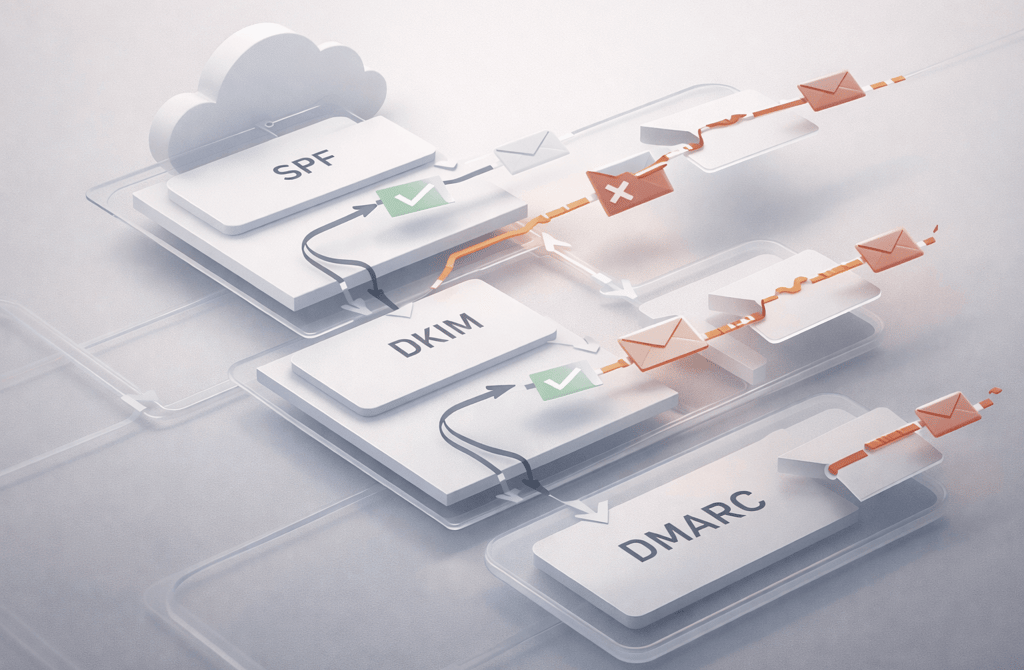
Cold email reach isn’t limited by how many messages you send.
It’s limited by how many messages inbox providers allow to pass.
DNS configuration sits at that decision point. It’s not visible during campaign setup, and it doesn’t show up in most dashboards. But inbox providers rely on DNS records to decide whether a sender is legitimate, controlled, and trustworthy.
When DNS is misconfigured — even slightly — reach drops before an email ever has a chance to be evaluated.
DNS Is the First Trust Check, Not a Technical Detail
Inbox providers don’t begin by analyzing content or intent.
They begin by verifying identity.
DNS records answer basic questions:
Is this domain authorized to send email?
Are messages properly authenticated?
Is this sender accountable if something goes wrong?
SPF, DKIM, and DMARC aren’t optional safeguards. They’re foundational proof that your outbound system is real.
When any of these records are missing, incomplete, or misaligned, inbox providers downgrade trust automatically. They don’t wait for bad behavior. They assume risk.
That assumption directly limits reach.
Partial DNS Setup Is Treated as Unreliable Behavior
One of the most common mistakes is incomplete configuration.
Examples include:
SPF records that are present but overly permissive
DKIM signatures that exist but aren’t consistently applied
DMARC policies set to “monitor only” indefinitely
Conflicting records left over from previous tools
From a technical standpoint, these setups look “almost correct.”
From an inbox provider’s standpoint, they look undisciplined.
Providers don’t reward partial compliance. They penalize ambiguity.
Cold email reach suffers not because DNS is broken, but because it doesn’t send a clear signal of control.
DNS Gaps Amplify Normal Lead-Level Variance
Even the best B2B lead data produces mixed outcomes:
Some recipients don’t engage
Some inboxes are inactive
Some domains filter aggressively
A clean DNS setup absorbs that variance.
A weak one magnifies it.
When DNS trust is low, normal non-engagement is interpreted as confirmation of poor sender quality. Reach tightens faster. Filtering becomes more aggressive. Recovery windows shrink.
This is why two senders using similar leads see different reach — the DNS layer determines how forgiving the system is.
Why Cold Email Reach Drops Without Obvious Errors
DNS-related reach loss rarely shows up as a hard failure.
Emails still send.
Bounce rates may stay low.
Campaigns look “live.”
But inbox placement quietly degrades:
More messages land outside primary inboxes
Visibility becomes inconsistent across providers
Performance declines without a clear trigger
This happens because DNS trust affects how much exposure you’re allowed, not whether sending is technically possible.
Cold email reach doesn’t disappear — it gets rationed.
DNS Configuration Is a Signal of Long-Term Intent
Inbox providers are constantly separating:
Long-term business senders
Short-term or disposable senders
DNS configuration is one of the strongest signals in that classification.
Domains with clean, aligned DNS records communicate:
Ownership and accountability
Stable sending intent
Predictable system behavior
Domains with gaps signal experimentation at best — abuse at worst.
Cold email reach depends on which category your system is placed into early.
Why DNS Issues Compound Over Time
DNS misconfiguration doesn’t just affect current campaigns.
It affects future ones.
Inbox providers maintain historical trust profiles. If DNS signals suggest weak control, later improvements don’t immediately restore reach. The system remembers earlier uncertainty.
This is why teams often say:
“We fixed everything, but reach didn’t come back.”
DNS gaps delay trust accumulation. And trust is what determines long-term visibility.
DNS Is Infrastructure, Not Optimization
DNS isn’t something to tweak after performance drops.
It’s something to lock down before sending volume increases.
Strong DNS configuration doesn’t guarantee replies.
But weak DNS configuration guarantees limits.
Cold email reach is not a copy or cadence problem when DNS signals are unclear. It’s a system-level constraint.
Final Thought
Cold email reach is decided before messages are delivered.
DNS configuration is one of the earliest gates inbox providers use to judge sender legitimacy.
When DNS records are clean, aligned, and intentional, inbox systems allow your outreach to be evaluated on real engagement.
When DNS gaps exist, reach is restricted long before copy or targeting ever matter.
Related Post:
How Spam Traps Enter Lead Lists Without Anyone Noticing
The Hidden Risks Inside “Clean-Looking” Email Lists
Why Risky Emails Ruin Performance Across Multiple Campaigns
Why Industry-Specific Data Validates Very Differently
The Validation Obstacles Unique to High-Churn Industries
How Industry Dynamics Affect Lead Verification Accuracy
Why Some Verticals Require Deeper Validation Than Others
The Validation Rules That Change Based on Industry Type
Why Company Size Errors Break Your Targeting Strategy
The Revenue Accuracy Problems Hidden Inside Most Lead Lists
How Incorrect Company Location Data Distorts Segmentation
Why HQ vs Branch Confusion Derails Cold Email Targeting
The Real Cost of Running Outbound on Mis-Sized Companies
Why Role Accuracy Matters More Than Personalization
The Title Errors That Break Your Buyer Targeting
How Incorrect Department Data Skews Segmentation
Why Job Seniority Precision Predicts Reply Probability
The Role Drift That Makes Outreach Hit the Wrong Person
Why Deliverability Architecture Decides Whether Your Emails Land
The Infrastructure Mistakes That Break Inbox Placement
How Domain Setup Shapes Your Entire Outbound Performance
Why Technical Architecture Matters More Than Copy Quality
Connect
Get verified leads that drive real results for your business today.
www.capleads.org
© 2025. All rights reserved.
Serving clients worldwide.
CapLeads provides verified B2B datasets with accurate contacts and direct phone numbers. Our data helps startups and sales teams reach C-level executives in FinTech, SaaS, Consulting, and other industries.