
7 Ways Cheap Leads Destroy Your Domain Reputation
Cheap B2B leads might look like a bargain, but they quietly destroy your domain reputation. Here are the 7 most damaging ways low-quality data hurts deliverability and long-term outreach.
B2B LEADSSALES & PROSPECTING CHANNELSLEAD QUALITYEMAIL DELIVERABILITY
CapLeads Team
11/22/20253 min read
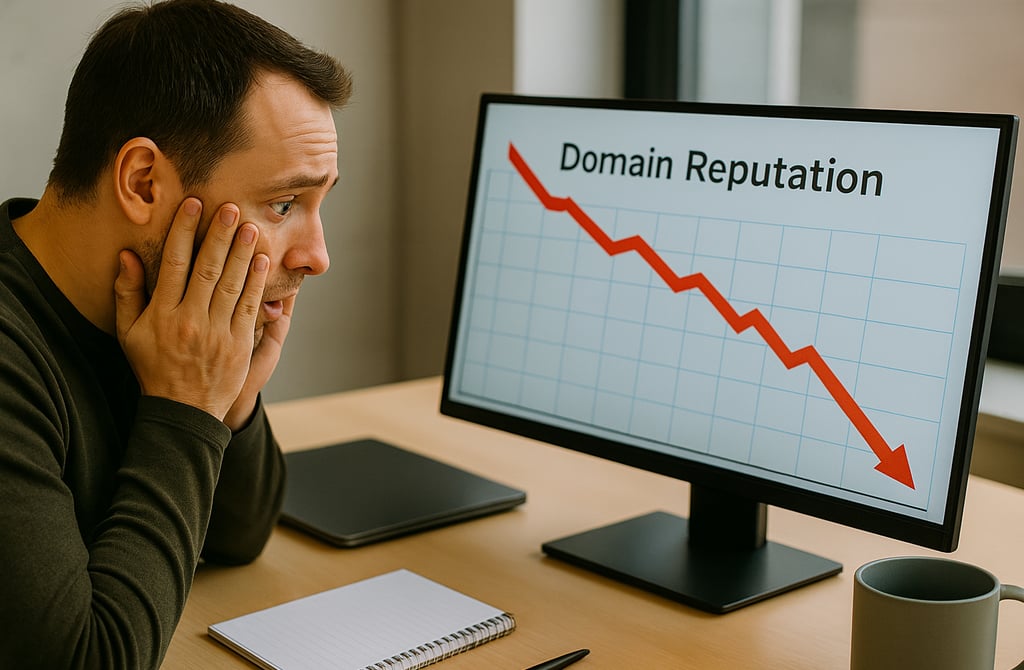
Cheap leads feel like a shortcut — a fast way to scale outreach without spending much.
But the reality hits every founder the same way:
Cheap data doesn’t just underperform… it destroys your domain reputation from the inside out.
What looks like “inexpensive” on paper becomes the most expensive mistake in your entire outbound system.
Here are the seven real reasons why cheap leads wreck your domain before you even realize what happened.
1. Cheap Lists Are Filled With Stale, Dormant Inboxes
Cheap vendors rarely refresh their data.
They recycle old exports, scrape outdated directories, and sell the same lists for months or years.
When you email people who haven’t used their inbox in forever, inbox providers read your sending pattern as:
“This sender is out of touch with reality.”
That alone weakens your reputation — even if those emails don’t hard bounce.
Cold signals hurt just as much as bad ones.
2. They Include Leads That Were Never Validated to Begin With
Real validation involves multiple checkpoints:
domain health
server behavior
mailbox existence
risk scoring
trap screening
Cheap leads skip all of it.
They give you raw, unverified emails that email providers can detect instantly — because the sending pattern looks chaotic and inconsistent.
Your domain gets treated the same way cheap leads are created:
carelessly.
3. They Contain Contacts Who Haven’t Been Active in Years
Email providers track inbox activity globally — even outside your campaigns.
When you send to people who haven’t opened an email across ANY sender in months or years, you’re signaling that:
You’re emailing unengaged, low-activity users.
This is a major red flag, and it pushes your future emails down the priority ladder — even if your copy is good.
Cheap lists are filled with “digital ghosts,” and ghosts kill domain trust.
4. They Mix In Contacts With the Wrong Intent Entirely
Cheap data almost always comes from:
scraped company sites
mass-exported lists
random collections of contacts
These people never asked to be contacted, never expressed interest, and never match your targeting.
That mismatch creates the WORST digital signal:
negative user behavior.
These include:
immediate deletes
zero engagement
fast scrolling past your email
ignoring every message
Inbox providers measure these micro-signals and assume:
“This sender’s emails are unwanted.”
Once you earn that label, domain trust falls apart.
5. They Trigger Frequency Problems You Can’t Recover From
Cheap lists make you send MORE emails to get the same result.
But high sending volume without high engagement looks suspicious.
And inbox providers care deeply about:
consistency
pacing
accuracy
sender history
Cheap leads force unnatural sending behavior, and Gmail/Outlook flag it instantly.
You look like a broadcaster — not a legitimate business.
6. They Come Loaded With “Risk Profiles” That Hurt You Slowly
Every email carries hidden signals.
Cheap leads often include:
domains with poor reputations
inboxes associated with spam complaints
mailboxes hosted on weak servers
addresses from companies with unstable IT setups
Even if emails don’t bounce, the risk profile behind them tells inbox filters:
“This sender interacts with low-quality environments.”
That association lowers your trust score over time — a silent killer most founders never see coming.
7. They Cause Domain Reputation Dips That Affect Future Campaigns
The scariest part of cheap leads?
The damage follows you forward.
Once your domain reputation drops:
inbox placement falls
messages land lower in the inbox
future campaigns struggle
warmups must restart
replies slow to a crawl
new clean lists won’t magically fix it
Cheap leads push your domain down, but recovery takes weeks or months.
Final Thoughts
Cheap leads don’t “save money.”
They destroy the one asset your outbound depends on — your domain’s reputation.
Clean, validated data keeps your sender reputation stable and your campaigns consistent.
Cheap leads do the opposite — they slowly poison deliverability until nothing performs.
Related Posts
Why SDR Teams Fail Without Verified B2B Data
How Verified Email Lists Improve Deliverability and Cut CAC
The Real Difference Between Verified Data and Cheap Bulk Lists
How to Avoid Outdated Leads: The Complete Clean-Data Checklist
Best Industries to Target Using Verified B2B Leads
How Verified Leads Turn Cold Email Into a Predictable Sales Machine
Manual vs Automated Validation: Why Human-Verified Data Wins
How Verified Data Helps Startups Reduce Marketing Waste
Best B2B Lead Sources in 2026: What Founders Should Know
How to Buy B2B Leads Safely in 2026 (Founder’s Guide)
Why 98 Percent of B2B Leads Are Outdated in 2026
The ROI of Buying Leads vs Hiring SDRs in 2026
Cold Email: DIY vs Email Outreach Services — Which Gets More Replies?
What Email Outreach Services Actually Do: How They Work, What You Get & Why They Convert
How Email Outreach Services Generate Sales Conversations Faster
Email Outreach Service Pricing: What It Really Costs in 2025–2026
How Email Outreach Services Help Agencies Scale Faster
How to Tell if B2B Leads Are Actually Verified Most Aren’t
Why Data Freshness Matters More Than Lead Quantity in 2026
The Hidden Dangers of Outdated Email Lists And How to Spot Them
How Lead Validation Works: Inside a Modern Data Verification Stack
Connect
Get verified leads that drive real results for your business today.
www.capleads.org
© 2025. All rights reserved.
Serving clients worldwide.
CapLeads provides verified B2B datasets with accurate contacts and direct phone numbers. Our data helps startups and sales teams reach C-level executives in FinTech, SaaS, Consulting, and other industries.