
The Hidden Data Signals That Decide If Your Email Gets Seen
Your cold emails are judged long before anyone reads them. Discover the hidden data signals inbox providers use to decide whether your message gets seen or sent to spam.
COLD EMAIL FUNDAMENTALSOUTBOUND STRATEGY & OPTIMIZATIONB2B LEAD QUALITYDELIVERABILITY & TECHNICAL SETUP
CapLeads Team
11/28/20253 min read
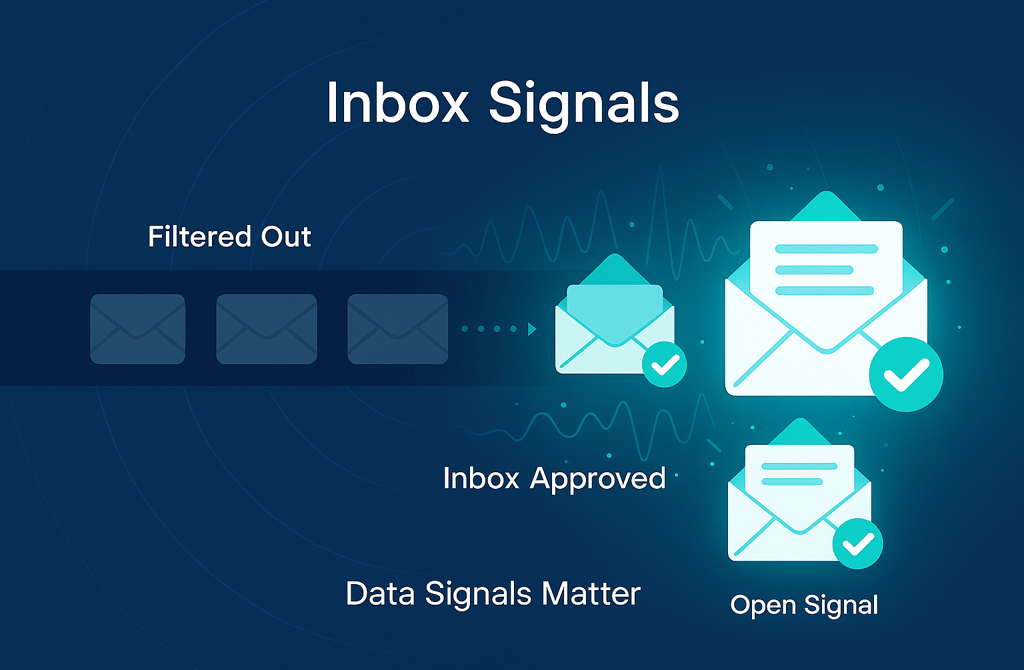
Most founders think deliverability is about warming up domains, authenticating SPF/DKIM, and avoiding spammy phrases.
But inbox providers follow a completely different playbook.
Your emails are judged before the copy is even read.
They’re scanned for data signals — invisible indicators that determine whether your message lands in the inbox, promotions, or spam.
These signals aren’t talked about in cold email guides, but they decide everything.
1. Inbox Activity: Are You Emailing a Real, Active Human?
Inbox providers track how “alive” a mailbox is.
An active recipient logs in, opens mail, deletes things, replies, or at least shows signs of life.
A dormant one does nothing.
When your list is filled with low-activity or abandoned inboxes, you look like you're blasting random data — even if you're not.
Active recipients = positive signal.
Dead recipients = deliverability drag.
2. Recipient Domains Have Their Own Reputation
Everyone talks about your domain reputation.
But almost nobody realizes inbox providers also score the domains you’re emailing.
Some domains are cold-email friendly.
Others aggressively filter anything that looks outbound.
If your list leans toward “filter-heavy” domains, your outreach struggles before it begins.
3. Bounce Risk Is Scored Before You Hit Send
Bounce risk is one of the strongest negative signals.
If your list contains outdated contacts, recycled role addresses, job-changed professionals, or unverified inboxes, email providers downgrade your trust score before delivering your message.
Even soft bounces compound into a pattern that tanks your deliverability over time.
4. Engagement History Follows the Email Address
Inbox algorithms track global behavior toward the same inboxes you target.
If those recipients rarely open cold email, mark things as spam, or ignore outreach entirely, your emails get deprioritized too.
It’s not personal — it’s pattern recognition.
Clean lists aren’t just about accuracy.
They’re about targeting inboxes that historically behave like real humans.
5. Data Recency Is a Deliverability Signal
Freshness isn’t optional.
When someone changes jobs, gets promoted, or switches departments, the old inbox quickly becomes toxic:
ignored
deactivated
forwarded
recycled
Sending to “professionals from last year” is one of the fastest ways to erode sender reputation.
Fresh data gives you a better chance of hitting inboxes that are active and validated right now.
6. Company-Level Signals Matter Too
Inbox providers analyze the health of the company behind the email:
Is the website active?
Is the domain maintained?
Are MX records stable?
Is the company still operating?
Emailing dead companies or abandoned domains is a negative signal — and most founders never even check for this.
7. AI Predicts Whether Your Email Will Be Ignored
Modern inbox systems use machine learning to predict whether your email is likely to be opened.
If your list matches patterns where engagement is historically low, the algorithm assumes you're sending low-value outreach — even if the content is good.
That prediction alone can push your message into spam.
Final Thought
Cold email doesn’t fail because of frameworks.
Or lack of personalization.
Or subject lines.
It fails because inbox providers decide whether to show your email based on data signals, not copywriting.
When your list is fresh, verified, and accurate, your emails get seen.
When it’s outdated or unverified, your campaigns get filtered before they ever have a chance.
Clean, verified, fresh lead data increases inbox visibility.
Stale, inaccurate data gets silently filtered out — no matter how good the email is.
Related Posts
The Real Cost of Data Validation: What Providers Don’t Tell You
The Economics of B2B Lead Buying (Explained Simply)
Are You Overpaying for B2B Leads? Signs You’re Getting Ripped Off
The Hidden Costs Inside “Cheap Lead Providers”
Why Price Shouldn’t Be Your First Filter When Buying Leads
Lead Pricing Models Explained: Per Lead, Per Batch, Per Role
Why Verified Leads Can Still Be Affordable If You Know Where to Look
Apollo vs Verified Lead Providers: What Most Buyers Miss
ZoomInfo Alternatives for 2026: Verified Data Without Annual Contracts
How CapLeads Compares to Bulk Data Providers (Fair Breakdown)
What Free Email Finders Get Wrong About B2B Leads
Why “All-In-One Tools” Can’t Replace Real Human-Verified Data
Why Verified Leads Are the #1 Factor Behind Cold Email Success
How Targeting Improves When You Start With Clean, Validated Data
Deliverability 101: How Clean Data Keeps You Out of Spam
Why Your Cold Email Framework Fails Without Fresh Leads
The Data Side of Cold Email No One Teaches (But Everyone Should Know)
Connect
Get verified leads that drive real results for your business today.
www.capleads.org
© 2025. All rights reserved.
Serving clients worldwide.
CapLeads provides verified B2B datasets with accurate contacts and direct phone numbers. Our data helps startups and sales teams reach C-level executives in FinTech, SaaS, Consulting, and other industries.