How Targeting Improves When You Start With Clean, Validated Data
Clean, validated data makes targeting sharper and more accurate. Learn how better data improves ICP matching, personalization, segmentation, and cold outreach results.
OUTBOUND METRICS & PERFORMANCEEMAIL DELIVERABILITYLEAD QUALITY & DATATARGETING & SEGMENTATION
CapLeads Team
11/27/20253 min read
Most founders think targeting improves when you tweak filters, rewrite copy, or try a new sequence.
But real targeting doesn’t start inside your outreach tool — it starts with the quality of the data feeding it.
If your list is messy, outdated, mislabeled, or incomplete, every targeting choice becomes unreliable.
But when the data is validated, accurate, and enriched, targeting becomes sharper and far more predictable.
Here’s how everything changes once the data is clean.
1. Your ICP Filters Finally Produce the Audience You Intended
Targeting breaks when basic fields are wrong.
A list with outdated titles, incorrect industries, or former employees forces your filters to pull the wrong people — even if the logic looks perfect on screen.
Validated data fixes this.
Roles match. Industries are correct. Locations are current. Company size is accurate.
Your filters finally do what you expect them to.
2. Personalization Becomes Meaningful Instead of Forced
Personalization relies on correct inputs.
If titles, industries, or company details are wrong, every personalized sentence sounds awkward — or worse, irrelevant.
With clean data, personalization becomes natural.
You’re speaking to the right person, in the right role, using the right context.
Relevance goes up immediately.
3. Role-Based Targeting Stops Being Guesswork
Unverified lists often contain junior people mislabeled as senior, fake inboxes, or titles that no longer exist.
That kills persona targeting.
Validated data gives you accurate roles, departments, and seniority.
So when you build a list of HR Directors, Procurement Heads, or IT Managers — you’re actually reaching them.
4. Industry-Specific Targeting Gets Sharper
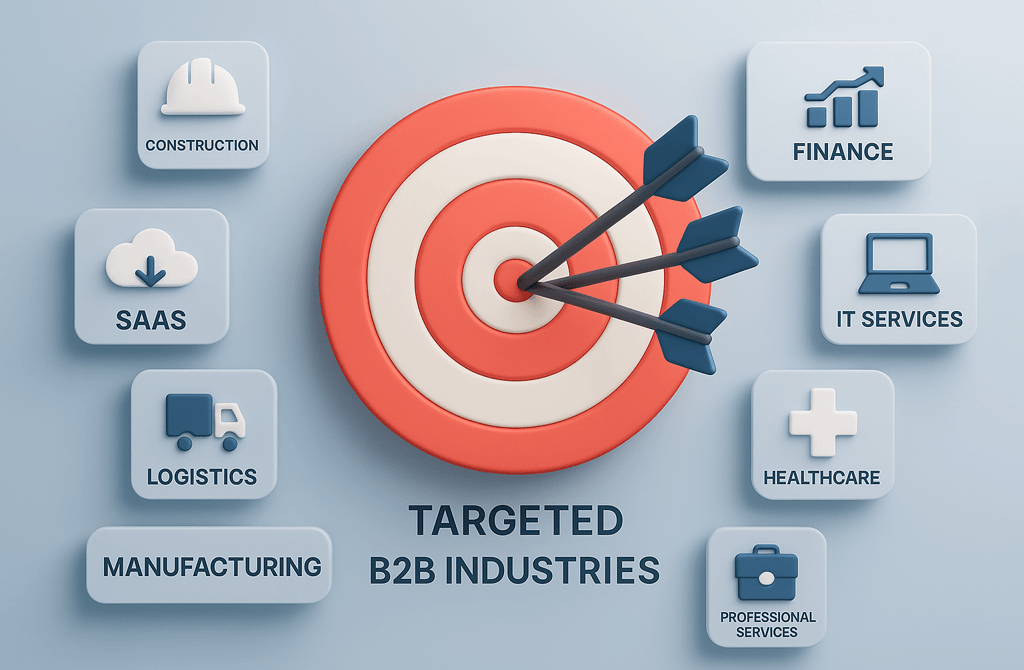
If industry tags are wrong, you end up mixing SaaS with IT services, or logistics with transportation.
Your messaging gets diluted.
Accurate industry mapping fixes this.
You can tailor your message to match each niche’s pain points, making campaigns feel far more relevant.
5. Segmentation Finally Behaves the Way You Expect
Segments only work when the underlying records are clean.
Bad data mixes personas, geography, company size, and intent — making every segment unreliable.
Validated data restores order.
Your A/B tests make sense.
Your personas stay clean.
Your segments become real, not random mixtures.
6. Lookalike Audiences Get Smarter
Clean data strengthens ad targeting too.
Accurate, well-structured first-party lists create sharper lookalikes, stronger retargeting pools, and better conversion signals.
Bad data creates noisy lookalikes.
Clean data builds focused lookalikes.
7. Targeting Becomes Predictable Instead of Chaotic
This is the real advantage of clean data:
you know what to expect.
Roles line up.
Industries line up.
Locations line up.
Your segments behave consistently.
Your targeting decisions finally produce stable results.
Predictability is what makes outbound scale — and predictability only comes from accurate data.
Final Thought
Targeting doesn’t improve because the filters are advanced — it improves because the data is trustworthy.
Clean, validated data creates clear, predictable targeting. Outdated or inaccurate data makes even the smartest targeting logic fall apart.
Clean data sharpens targeting.
Bad data destroys it before the campaign even starts.
Related Posts
The Fastest-Growing B2B Markets for 2026 (Based on Lead Demand)
Why Construction Leads Are Hard to Validate — And How CapLeads Does It
Global Tech Leads: What Makes Them Expensive but Worth It
Professional Services Leads: Why They Deliver Better Conversations
Manufacturing & Industrial Leads: What Smart Buyers Look For
Why Global BPO Leads Are Exploding in Demand
Why Lead Prices Are Rising in 2026 (And How to Buy Smart)
Cost-Per-Lead vs Cost-Per-Reply: Which Metric Should You Track?
Why Some Industries Have More Expensive Leads Than Others
The Real Cost of Data Validation: What Providers Don’t Tell You
The Economics of B2B Lead Buying (Explained Simply)
Are You Overpaying for B2B Leads? Signs You’re Getting Ripped Off
The Hidden Costs Inside “Cheap Lead Providers”
Why Price Shouldn’t Be Your First Filter When Buying Leads
Lead Pricing Models Explained: Per Lead, Per Batch, Per Role
Why Verified Leads Can Still Be Affordable If You Know Where to Look
Apollo vs Verified Lead Providers: What Most Buyers Miss
ZoomInfo Alternatives for 2026: Verified Data Without Annual Contracts
How CapLeads Compares to Bulk Data Providers (Fair Breakdown)
What Free Email Finders Get Wrong About B2B Leads
Why “All-In-One Tools” Can’t Replace Real Human-Verified Data
Why Verified Leads Are the #1 Factor Behind Cold Email Success
Connect
Get verified leads that drive real results for your business today.
www.capleads.org
© 2025. All rights reserved.
Serving clients worldwide.
CapLeads provides verified B2B datasets with accurate contacts and direct phone numbers. Our data helps startups and sales teams reach C-level executives in FinTech, SaaS, Consulting, and other industries.