
Why Price Shouldn’t Be Your First Filter When Buying Leads
Price is the worst first filter when buying B2B leads. Learn the smarter criteria—quality, validation, freshness—that determine whether your outbound actually works.
LEAD BUYINGLEAD PRICINGB2B DATA QUALITYLEAD BUYING GUIDE
CapLeads Team
11/26/20253 min read
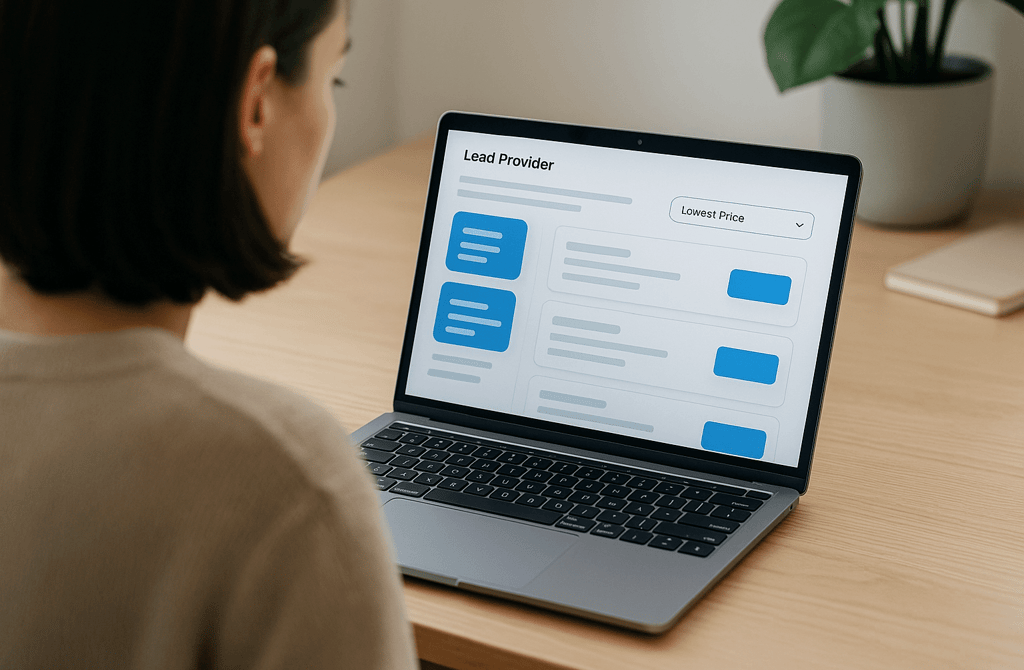
When founders shop for B2B leads, the first instinct is almost always the same:
Sort by lowest price and compare the cheapest options.
It makes sense on the surface.
If two lists claim to target the same industries and job roles, why not choose the cheaper one?
But in lead buying, the lowest upfront price rarely reflects the true cost — and understanding this gap is one of the most overlooked parts of outbound strategy.
Why Cheap Leads Look Attractive (But Usually Aren’t)
Most lead provider websites highlight similar features: company names, job titles, emails, phone numbers, industries, and location filters.
So when everything looks the same, price becomes the deciding factor.
Here’s the problem: in data, similar does not mean equal.
Two lists with the same columns can have massively different:
accuracy
data freshness
validation depth
sourcing methods
enrichment quality
Cheap leads tend to hide these differences behind simple UI elements and short descriptions.
The Hidden Risks of Choosing the Lowest Price
1. Higher bounce rates
Cheaper lists often come from large, outdated databases that haven’t been cleaned properly.
High bounce rates don’t just waste emails — they damage domain reputation and reduce inbox placement over time.
2. More duplicates and recycled data
Low-cost providers frequently reuse old datasets, sometimes sold repeatedly for months or years.
This leads to duplicates, stale contacts, and missing decision-makers.
3. Higher decay and outdated job titles
B2B data changes fast.
Cheap providers rarely revalidate before each sale, meaning you’re often buying contacts who already changed roles or companies.
4. More catch-all and risky emails
Catch-all domains pass through many cheap validation tools.
Without deeper testing, these emails inflate lead counts but increase risk.
5. Lower conversion potential
When the data quality is low, even good outreach gets ignored.
Cheap lists don’t just reduce deliverability — they reduce your chance of getting replies altogether.
Why Price Sorting Can Be Misleading
Most founders assume the more expensive list is overpriced.
But often, the cheaper list is cheap because:
it skipped deep validation
it reused existing datasets
it didn’t test phone numbers
it didn’t remove risky contacts
it didn’t manually review edge cases
In other words, the “lowest price” isn’t always the lowest cost — it’s just the lowest number on the screen.
The real cost shows up later in campaign performance, domain health, and conversion rates.
When Low-Cost Leads Make Sense
Cheap leads aren’t always wrong.
They make sense if you are:
doing broad testing
running top-of-funnel experiments
validating an offer before scaling
building a wide awareness list
For early-stage experiments, volume can matter more than precision.
But once you rely on outbound as a primary growth channel, the quality of your data becomes more important than the size of your list.
A Better Way to Think About Lead Pricing
Instead of sorting by the lowest price, evaluate leads based on:
freshness (how recently validated)
validation depth (not just one tool)
source transparency
bounce rate guarantees
industry relevance
data decay protection
actual conversion potential
A list that costs a little more upfront but has higher accuracy often ends up cheaper when you factor in:
fewer wasted emails
fewer bounced domains
stronger reply rates
reduced tool costs
less time troubleshooting deliverability
Final Thought
Sorting by “lowest price” is understandable — especially for lean startups.
But with B2B data, the cheapest list is rarely the most cost-effective.
The real savings come from long-term performance:
better deliverability, cleaner data, and higher reply rates.
Clean data keeps outbound efficient.
Outdated or low-quality data makes outbound expensive — even if the list was cheap.
Related Posts
How to Audit a B2B Lead List for Accuracy Before Sending Email
Why You Shouldn’t Buy “Unlimited Leads” Packages
The Truth About “Niche Email Lists” Sold Online — Are They Safe?
Why Industry-Specific B2B Leads Convert Better Than Generic Lists
The Most Requested B2B Industries for Lead Buying in 2026
High-Value Industries That Respond Best to Cold Email
Why Healthcare & Medical Leads Require More Validation
The Fastest-Growing B2B Markets for 2026 (Based on Lead Demand)
Why Construction Leads Are Hard to Validate — And How CapLeads Does It
Global Tech Leads: What Makes Them Expensive but Worth It
Professional Services Leads: Why They Deliver Better Conversations
Manufacturing & Industrial Leads: What Smart Buyers Look For
Why Global BPO Leads Are Exploding in Demand
Why Lead Prices Are Rising in 2026 (And How to Buy Smart)
Cost-Per-Lead vs Cost-Per-Reply: Which Metric Should You Track?
Why Some Industries Have More Expensive Leads Than Others
The Real Cost of Data Validation: What Providers Don’t Tell You
The Economics of B2B Lead Buying (Explained Simply)
Are You Overpaying for B2B Leads? Signs You’re Getting Ripped Off
The Hidden Costs Inside “Cheap Lead Providers”
Connect
Get verified leads that drive real results for your business today.
www.capleads.org
© 2025. All rights reserved.
Serving clients worldwide.
CapLeads provides verified B2B datasets with accurate contacts and direct phone numbers. Our data helps startups and sales teams reach C-level executives in FinTech, SaaS, Consulting, and other industries.