
The Data Mistakes That Kill Pipeline Before It Starts
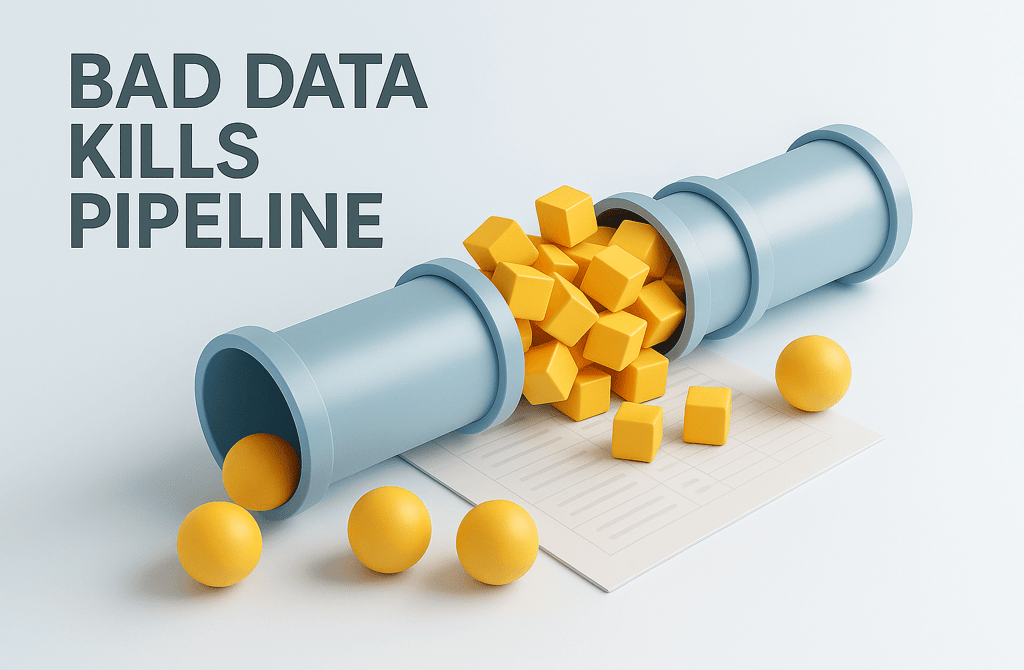
Most pipeline problems start before outreach even begins. Here are the data mistakes that silently kill pipeline and cripple outbound before it has a chance to work.
B2B DATALEAD QUALITYCOLD EMAILOUTBOUND SALESPIPELINE PERFORMANCE
CapLeads Team
11/30/20253 min read
Most founders think pipeline dies because of weak messaging, poor targeting, or slow follow-ups.
But in reality, most pipeline never fails midway — it fails before it even starts.
Not because of strategy.
Not because of tools.
Not because of timing.
Pipeline dies because of data mistakes made long before the first email is sent.
Here are the silent data errors that kill pipeline at the source.
1. Using outdated contacts for “top-of-funnel” volume
Pipeline depends on real people in real roles.
If your list is outdated:
the buyer changed jobs
the department restructured
the priority shifted
the inbox is abandoned
Your pipeline never truly forms.
You’re pushing volume into dead space.
Pipeline doesn’t die in the CRM — it dies at the list.
2. Targeting broad “ICP-ish” companies instead of accurate matches
Many founders think the problem is messaging when the real problem is the wrong companies.
Even minor ICP mismatches kill pipeline instantly:
too small
too large
wrong business model
wrong tech stack
wrong pain profile
wrong buyer maturity
Good messaging can’t fix bad targeting.
If the account fit is wrong, the pipeline never has a chance.
3. Role mismatch: emailing the wrong level of decision-maker
This is the silent pipeline killer.
If you’re emailing:
someone too junior
someone too senior
someone outside the decision loop
someone who doesn’t own the problem
…your pipeline hits a wall before it forms.
Role accuracy is mandatory.
Everything else is wasted effort.
4. Missing or incomplete data that prevents segmentation
When your list is missing:
company size
region
tech tags
revenue range
role seniority
…you lose the ability to segment.
Without segmentation:
your message is generic
your timing is off
your angles don’t hit
your value doesn’t land
Pipeline never starts because nothing feels relevant enough to spark movement.
5. Mixing validated data with unvalidated sources
This one destroys early pipeline without you even noticing.
If a single list includes:
unverified emails
risky catch-alls
old domains
role-based inboxes
syntactically invalid patterns
Your bounce rate spikes → deliverability drops → inbox placement tanks → your entire pipeline suffocates.
Bad data contaminates good data like poison.
6. Relying on scraped data without understanding decay
Scraped data decays immediately after extraction.
By the time most teams send their campaigns:
10–30% of the contacts are already stale
companies have changed headcount
new decision-makers have taken over
inboxes have been deactivated
Scraping gives you volume, not pipeline.
Only fresh, maintained data gives you movement.
7. Ignoring micro-errors that break pipeline flow
Small errors kill pipeline quietly:
wrong first name
mismatched domain
incorrect job title
outdated company size
missing department
inconsistent formatting
These don’t bounce —
they simply disconnect the message from the buyer’s reality.
Pipeline dies through silence, not rejection.
Final Thought
Most founders think pipeline dies because people aren’t interested.
But more often, pipeline never starts because the data feeding it was flawed from the beginning.
Clean, accurate leads make outbound scalable, predictable, and profitable.
Outdated or low-quality leads make even the best outbound systems collapse.
Related Posts
Why Verified Leads Can Still Be Affordable If You Know Where to Look
Apollo vs Verified Lead Providers: What Most Buyers Miss
ZoomInfo Alternatives for 2026: Verified Data Without Annual Contracts
How CapLeads Compares to Bulk Data Providers (Fair Breakdown)
What Free Email Finders Get Wrong About B2B Leads
Why “All-In-One Tools” Can’t Replace Real Human-Verified Data
Why Verified Leads Are the #1 Factor Behind Cold Email Success
How Targeting Improves When You Start With Clean, Validated Data
Deliverability 101: How Clean Data Keeps You Out of Spam
Why Your Cold Email Framework Fails Without Fresh Leads
The Data Side of Cold Email No One Teaches (But Everyone Should Know)
The Hidden Data Signals That Decide If Your Email Gets Seen
Why B2B Lead Lists Age Faster Than Founders Expect
The Real Consequences of Using “Almost Valid” Emails
How Data Drift Quietly Destroys Cold Outreach
Why Lead Quality Has Become the New Outbound Currency
The Unspoken Rules of Modern B2B Data Hygiene
What Clean Data Actually Looks Like (Most Founders Get This Wrong)
How Data Freshness Shapes Your Entire Sales Funnel
The Silent Role Data Recency Plays in Outbound Wins
Why Accurate Contact Data Beats Personalization Hacks
How Premium Data Reduces Cold Email Stress
The Invisible Math Behind Validated Lead Lists
Connect
Get verified leads that drive real results for your business today.
www.capleads.org
© 2025. All rights reserved.
Serving clients worldwide.
CapLeads provides verified B2B datasets with accurate contacts and direct phone numbers. Our data helps startups and sales teams reach C-level executives in FinTech, SaaS, Consulting, and other industries.