
The Data Foundations Every Outbound System Should Have
Every outbound system relies on solid data foundations. Learn the essential data layers you need to protect deliverability, boost replies, and keep pipelines consistent.
LEAD QUALITY & ACCURACYDATA MAINTENANCE & VALIDATIONCOLD EMAIL STRATEGYOUTBOUND METRICS & PERFORMANCE
CapLeads Team
11/30/20253 min read
Most outbound teams blame their scripts, tools, or frameworks when outreach underperforms.
But the truth is much simpler:
If the data foundations are weak, the entire outbound system collapses.
You can optimize copy, rewrite subject lines, build sequences, test personalization, and even buy new sending tools — but none of that matters if the data underneath everything is incomplete, outdated, or poorly structured.
Every outbound system, no matter the industry, needs a strong data foundation before a single email gets sent.
Here are the core layers every team should build.
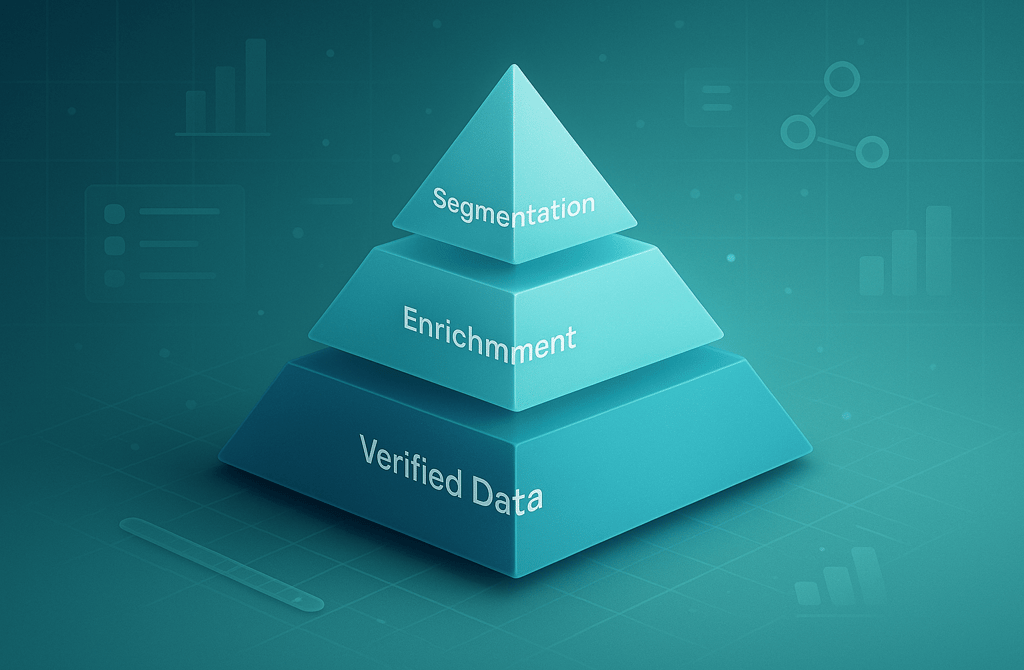
1. Verified Data: The Non-Negotiable Base Layer
Your outbound system will never be better than the accuracy of your contact data.
The foundation starts here:
valid emails
correct job titles
real companies
deduped leads
updated names
correct industry classifications
If this layer is shaky, everything above it becomes unreliable.
Most deliverability issues don’t come from “bad copy.”
They come from outdated contacts that increase bounce rate and silently destroy sender reputation.
A stable outbound system always begins with verified data.
2. Enrichment: The Context That Makes Data Actionable
Once the information is accurate, the next layer is making it useful.
This is where enrichment comes in:
revenue range
location
tech stack
hiring activity
funding history
job seniority
department insight
Enrichment turns a list of names into something you can actually segment, prioritize, and personalize.
Outbound doesn’t fail because leads are “bad.”
It fails because the leads lack the context needed for messaging that resonates.
Enrichment solves that.
3. Segmentation: Turning Data Into Targetable Groups
Segmentation is where outbound starts becoming predictable.
Instead of writing one generic message for 1,000 random leads, you create smaller clusters like:
SaaS companies hiring for sales
mid-market manufacturers using outdated systems
HR leaders at companies with recent funding
IT directors at fast-growing teams
Segmentation lets you tailor messaging so each group receives something that matches their needs and environment.
Without segmentation, you’re blasting.
With segmentation, you’re speaking directly to the right pockets of opportunity inside the list.
4. ICP Fit: Filtering Leads That Shouldn’t Be There
Most teams collect leads based on “who they found,” not “who they actually want.”
A real outbound foundation requires:
filtering out low-value roles
removing companies too small or too large
excluding industries you don’t serve
prioritizing roles with buying authority
removing people outside your target geography
eliminating leads who clearly aren’t in the buying group
Outbound doesn’t need more leads.
It needs the right leads.
ICP fit removes friction before emails even go out.
5. Job-Change Tracking: The Layer Most Teams Ignore
This is the hidden foundation that makes a system sustainable long-term.
People change jobs constantly:
promotions
lateral moves
role changes
company switches
When this happens, the original data becomes outdated even if it was accurate last month.
Job-change tracking protects your system from:
bounces
lost pipeline
wasted sends
decayed personalization
outdated ICP matching
Outbound doesn’t crumble overnight — it erodes with every job move you don’t catch.
6. Data Refresh Rhythm: Keeping Everything Alive
Even the best data decays without maintenance.
A complete outbound system includes a refresh rhythm:
weekly job-change updates
monthly validation
quarterly list cleaning
real-time checks before sending
This is how your system stays stable and predictable instead of slowly drifting into low-reply chaos.
Great outbound isn’t built one time.
It’s maintained.
Final Thought
Outbound only works when the data beneath it is strong.
Everything else — sequencing, copywriting, tools — is built on top of that structure.
Strong data foundations make outbound predictable.
Weak data foundations make outbound fail before the first email is even sent.
Related Posts
Why Verified Leads Are the #1 Factor Behind Cold Email Success
How Targeting Improves When You Start With Clean, Validated Data
Deliverability 101: How Clean Data Keeps You Out of Spam
Why Your Cold Email Framework Fails Without Fresh Leads
The Data Side of Cold Email No One Teaches (But Everyone Should Know)
The Hidden Data Signals That Decide If Your Email Gets Seen
Why B2B Lead Lists Age Faster Than Founders Expect
The Real Consequences of Using “Almost Valid” Emails
How Data Drift Quietly Destroys Cold Outreach
Why Lead Quality Has Become the New Outbound Currency
The Unspoken Rules of Modern B2B Data Hygiene
What Clean Data Actually Looks Like (Most Founders Get This Wrong)
How Data Freshness Shapes Your Entire Sales Funnel
The Silent Role Data Recency Plays in Outbound Wins
Why Accurate Contact Data Beats Personalization Hacks
How Premium Data Reduces Cold Email Stress
The Invisible Math Behind Validated Lead Lists
The Data Mistakes That Kill Pipeline Before It Starts
Why Job-Change Tracking Matters More Than You Think
The Difference Between Clean Data and Conversion-Ready Data
How to Build a Lead List That Stays Fresh for Months
Connect
Get verified leads that drive real results for your business today.
www.capleads.org
© 2025. All rights reserved.
Serving clients worldwide.
CapLeads provides verified B2B datasets with accurate contacts and direct phone numbers. Our data helps startups and sales teams reach C-level executives in FinTech, SaaS, Consulting, and other industries.